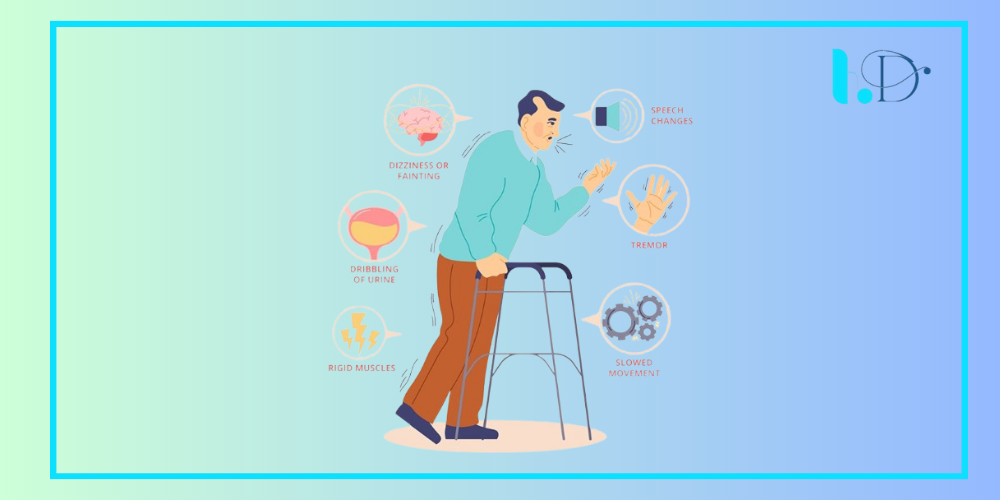
Parkinson’s disease
Introduction of Parkinson’s disease
Parkinson's disease is a progressive disorder that affects the nervous system and the parts of the body that are controlled by nerves. Symptoms start slowly. The first symptom may be a barely noticeable tremor in only one hand. Tremors are common, but the disorder can also cause stiffness or loss of movement. In the early stages of Parkinson's disease, you may have little or no expression on your face. Your arms can't swing when you walk. Your speech may be slurred or slurred. The symptoms of Parkinson's disease tend to get worse over time. Although Parkinson's disease cannot be cured, medications can significantly improve your symptoms. Occasionally, your healthcare provider may suggest surgery to manage certain areas of your brain and improve your symptoms.
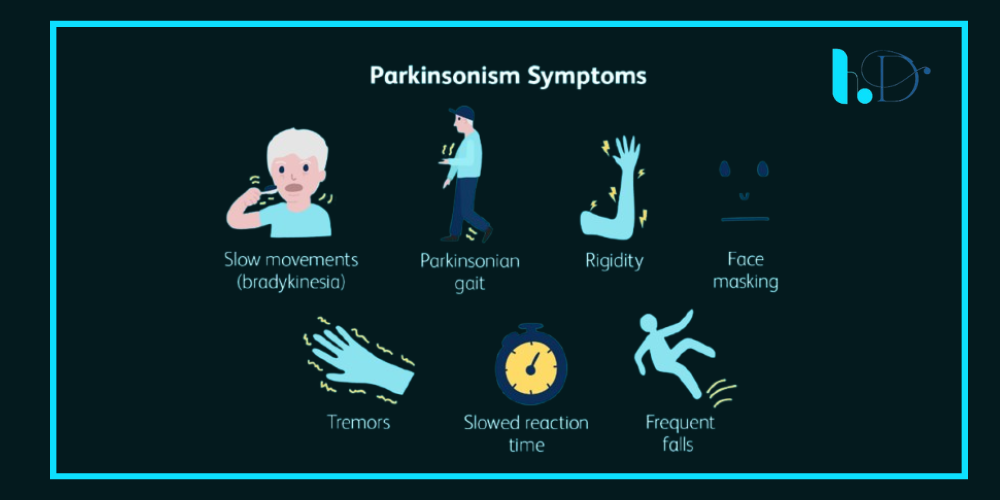
Symptoms of Parkinson’s disease
The symptoms of Parkinson's disease can be different for everyone. Early symptoms may be mild and go unnoticed. Symptoms often start on one side of the body and are usually worse on that side, even after symptoms affect both sides of the body.
- Trembling. Rhythmic movements, called tremors, usually start in a limb, often your hand or fingers. You can rub your thumb and index finger back and forth. This is known as a bullet rolling earthquake. Your hand may tremble at rest. When you are working, shaking can be reduced.
- Slow movement (bradykinesia). Over time, Parkinson's disease can slow your movements, making simple tasks difficult and time-consuming. Your steps may be shorter when you walk. Getting out of a chair can be difficult. You may drag or shift your feet when you try to walk.
- Stiff muscles. Muscle stiffness can occur in any part of your body. Tight muscles can be painful and limit your range of motion.
- Posture and balance disorders. Your posture may bend. Or you may fall or have balance problems as a result of Parkinson's disease.
- Loss of automatic movements. You may be less able to make unconscious movements when you walk, including blinking, smiling or swinging your arms.
- Change in speech. You may speak slowly or quickly, slur or hesitate before speaking. Your speech may have irregular rather than normal speech patterns.
- Written changes. It can be difficult to write, and your writing may seem short.
Causes of Parkinson’s disease
In Parkinson's disease, certain nerve cells in the brain called neurons gradually break down or die. Many of the symptoms of Parkinson's are caused by a loss of neurons in your brain that produce a chemical messenger called dopamine. When dopamine levels are low, it causes irregular brain activity, causing movement problems and other symptoms of Parkinson's disease. The cause of Parkinson's disease is unknown, but several factors appear to play a role:
- Genes. Researchers have identified specific genetic changes that can cause Parkinson's disease. But these are uncommon except in rare cases with multiple family members affected by Parkinson's disease. Certain genetic variants increase risk but only slightly.
- Environmental triggers. Exposure to certain toxins or environmental factors may increase the risk of developing Parkinson's disease later, but the risk is small.
Researchers have also noted many changes in the brain, including:
- Presence of Lewy bodies. These microscopic clusters inside brain cells are hallmark signs of Parkinson’s disease.
- Alpha-synuclein inside Lewy bodies. This protein, present in all Lewy bodies, cannot be broken down by cells and is a major research focus.
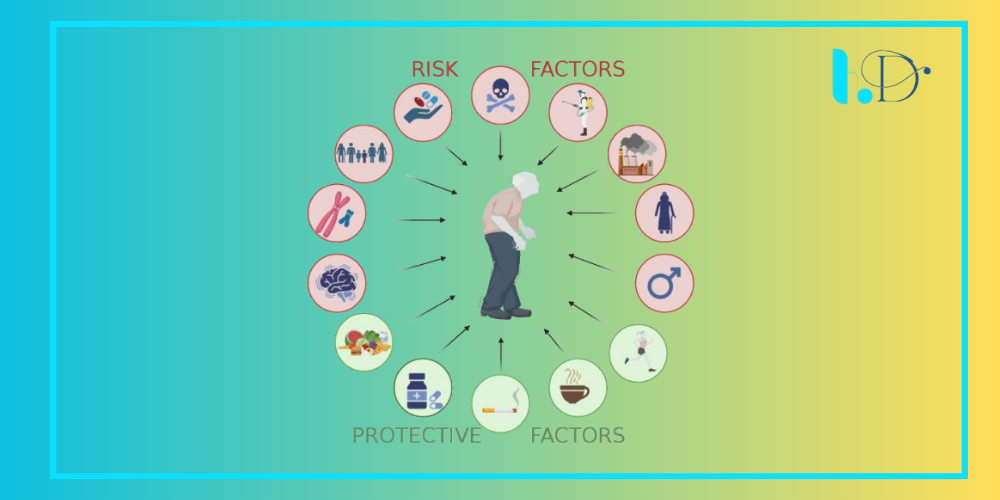
Risk factors of Parkinson’s disease
- Age. Risk increases with age, usually developing around 60 or older. Young adults rarely experience it.
- Family history. Having a close relative with Parkinson's increases risk, though still low unless multiple members are affected.
- Sex. Men are more likely to develop Parkinson's disease than women.
- Exposure to toxins. Long-term exposure to herbicides and pesticides may slightly increase risk.
Complications
Parkinson's disease is often accompanied by additional problems, which may be treatable. Difficulty thinking can occur, including dementia, usually in later stages of the disease. These cognitive issues are not usually treated with medication.
Helpful External Resources:
• Parkinson’s Disease – Mayo Clinic
• Parkinson’s Foundation – What is Parkinson’s?